
Introduction
Driveways in the St. Louis region are constantly exposed to weather conditions such as rain, humidity, sunlight, and temperature changes. Vehicle traffic, dirt, oil stains, and environmental pollutants can gradually wear down concrete surfaces. Over time, these factors may cause discoloration, cracking, and surface deterioration. Applying a protective concrete sealer helps shield the driveway from moisture, stains, and environmental damage while preserving its appearance.
Why Exterior Cleaning Matters
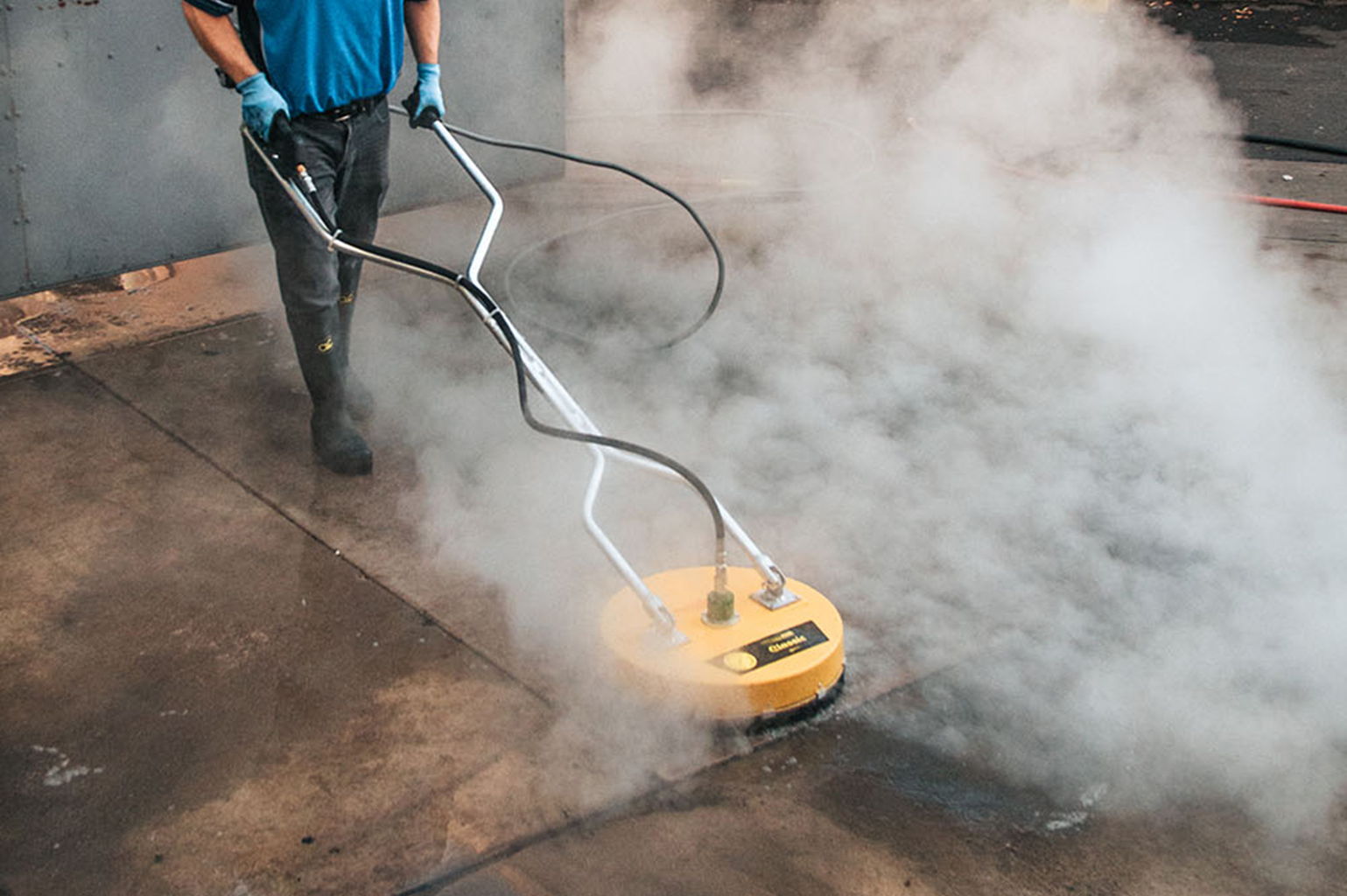
Before sealing, proper cleaning is essential to remove dirt, grease, mold, and algae that may accumulate on concrete surfaces. Missouri’s climate, which includes seasonal humidity and rain, can accelerate the buildup of grime and organic growth. Cleaning and sealing the surface helps protect the concrete from water penetration and prevents stains from becoming permanent.
Residential Applications
For homeowners, sealing a driveway helps maintain the appearance and durability of the surface. A sealed driveway is more resistant to oil stains, water damage, and environmental contaminants. This protective layer also helps prevent small cracks from developing into larger structural issues over time.
Commercial Applications
Commercial properties with parking areas and concrete driveways also benefit from sealing services. High vehicle traffic can cause wear and staining on pavement surfaces. Regular cleaning and sealing help maintain a clean and professional appearance while protecting the concrete from heavy use and weather exposure.
Common Surfaces That Need Sealing
Concrete sealing is commonly applied to driveways, sidewalks, patios, parking areas, and other paved surfaces. These areas are frequently exposed to moisture, vehicle fluids, and environmental debris that can gradually weaken the material if left unprotected.
Benefits of Professional Concrete Sealing
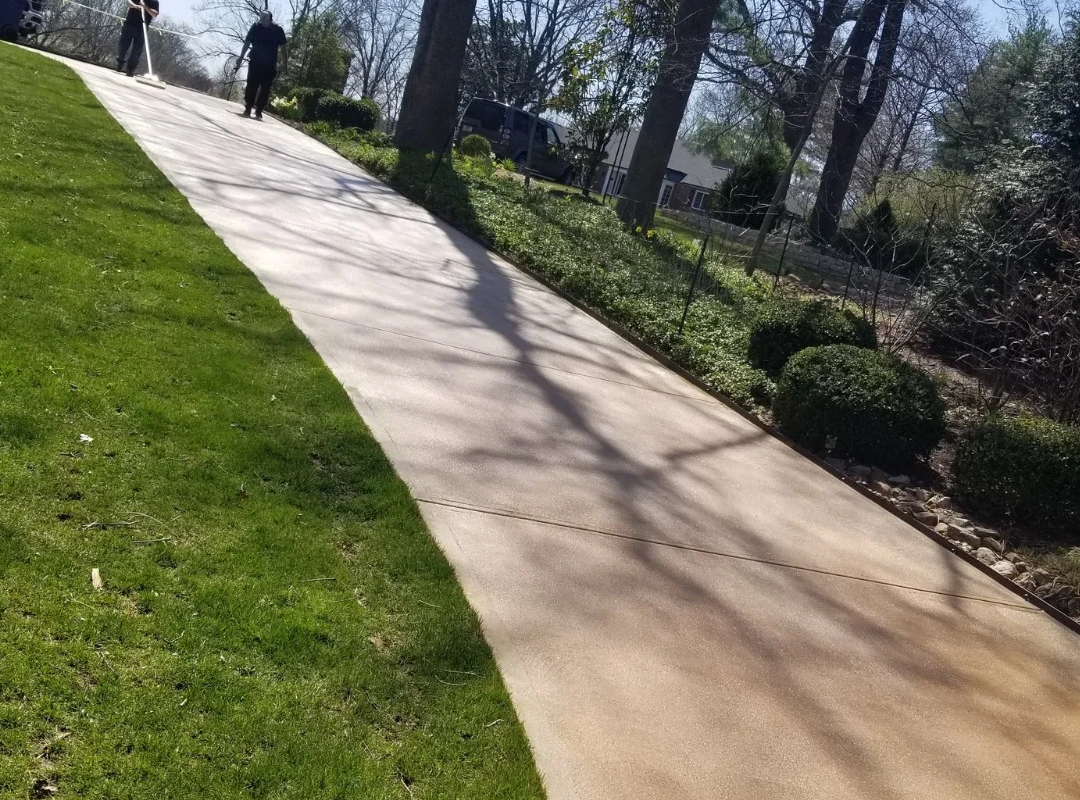
Professional sealing services apply specialized protective coatings designed to penetrate and protect the concrete surface. This process helps repel water, reduce staining, and protect against surface deterioration. Proper sealing can extend the lifespan of the driveway while keeping it looking clean and well maintained.
Maintenance Tips
Homeowners should keep driveways clean and address spills or stains quickly to prevent permanent damage. Periodic cleaning and resealing every few years can help maintain the protective barrier and ensure long-term durability of the concrete surface.
Frequently Asked Questions
1. How often should a driveway be sealed?
Most concrete driveways benefit from resealing every few years depending on weather exposure and traffic.
2. Does sealing prevent stains on concrete?
Sealing helps reduce the absorption of oil, water, and other contaminants, making stains easier to clean.
3. Is sealing necessary after pressure washing?
Pressure washing removes dirt and buildup, while sealing provides long-term protection for the cleaned surface.
Conclusion
Concrete sealing is an effective way to protect driveways from weather damage, stains, and surface deterioration. When combined with regular cleaning and maintenance, sealing helps extend the life of the concrete while keeping the driveway looking clean and well maintained.